La prostitución en Panamá: Una perspectiva jurídica y cultural

Citas Elite frente a las Citas Tradicionales
Adult Entertainment in Central America: What You Should Know in 2026
A regional guide to nightlife, legal variation, cultural etiquette, and discreet professional companionship across Panama, Costa Rica, Guatemala, Belize, Mexico, and nearby destinations.
Adult entertainment in Central America is shaped by more than nightlife alone. Across the region, the market is influenced by tourism, local regulation, hotel culture, private hospitality, digital booking habits, and the expectations of international visitors who value discretion and structure.
Panama, Costa Rica, Guatemala, Belize, and Mexico each operate differently. Some destinations have clearer legal frameworks and more organised hospitality infrastructure, while others rely on informal networks, local knowledge, and discreet introductions. For travellers, understanding these differences matters before making assumptions about safety, etiquette, or availability.
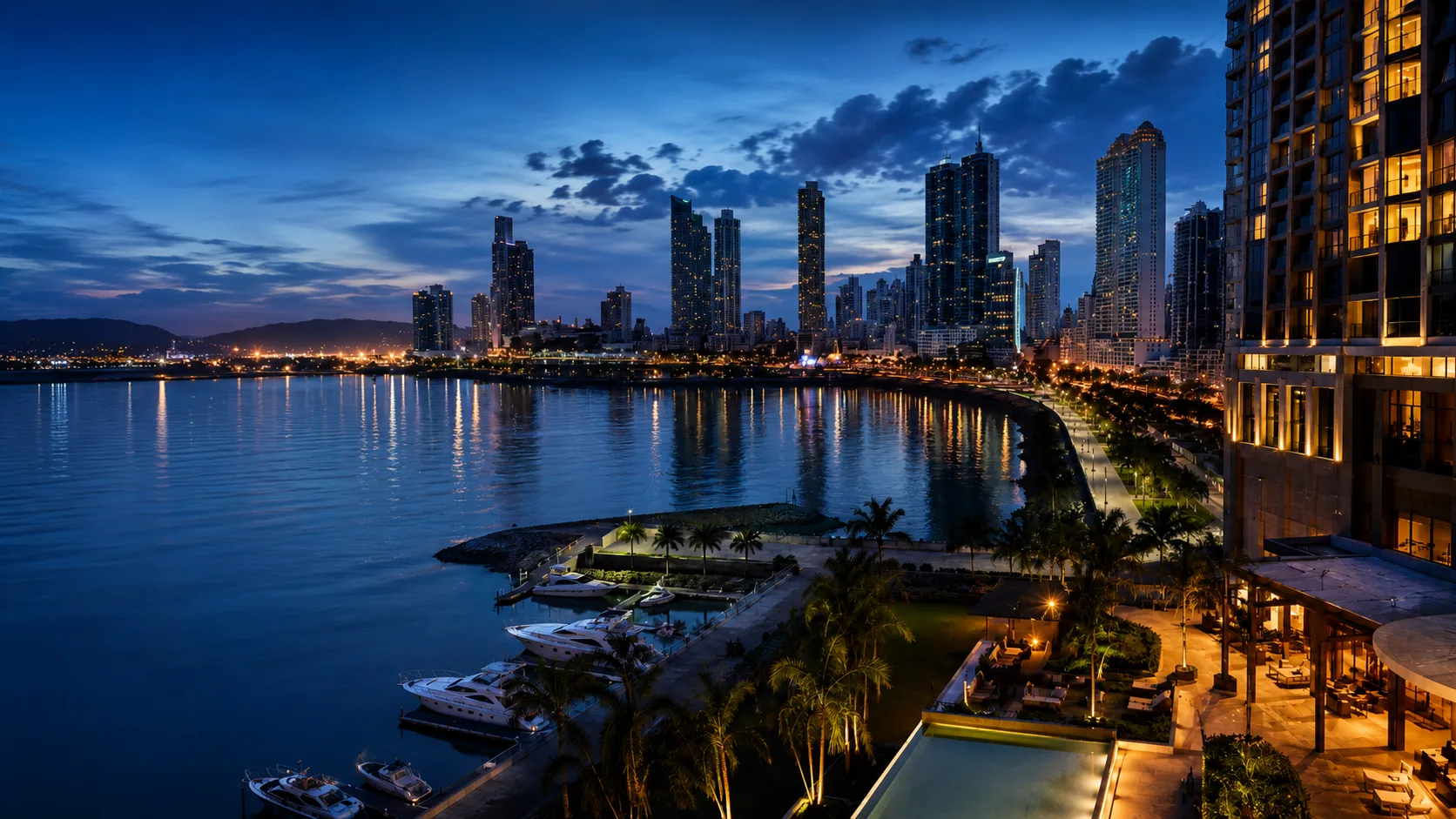
This guide compares the major adult entertainment markets in and around Central America, including nightlife hubs, legal context, cultural expectations, privacy standards, and the role of professional companion coordination. It is designed as a regional overview, not a substitute for country-specific advice.
For visitors seeking structured private arrangements, VIP Models provides discreet coordination with independent adult companions in selected destinations. For Panama-specific legal context, see our guide to prostitution in Panama. For practical enquiries, review the proceso de reserva discreto.
Scope note: laws, enforcement, and venue expectations vary by country and city. This guide focuses on adult nightlife, regulated or tolerated companionship markets, cultural etiquette, and safer, more discreet planning for international travellers.
Central America’s Adult Entertainment Landscape in 2026
Central America’s adult entertainment market sits at the intersection of tourism growth, professional companionship, digital privacy, and local cultural expectations. The region is not a single uniform market. Panama, Costa Rica, Guatemala, Belize, and nearby destinations each operate with different legal frameworks, hospitality standards, and levels of formality.
Market estimates place Latin America’s adult entertainment sector at more than $2.9 billion in annual value, with projected growth of around 4.9% per year. Central America represents a smaller but strategically important part of that wider market because of its concentration of international tourism, business travel, resort destinations, and private nightlife environments.
The strongest destinations are not defined only by nightlife volume. They are shaped by privacy, venue quality, legal clarity, professional coordination, and traveller awareness. Panama offers the clearest regional structure, Costa Rica is closely tied to eco-luxury and resort travel, while Guatemala and Belize remain more discreet, smaller-scale, and dependent on local knowledge.
For international visitors, the practical question is not simply where adult entertainment exists. It is where the environment is structured, discreet, culturally respectful, and easier to navigate safely. This is why professional introductions, clear expectations, and private coordination have become more important across the region.
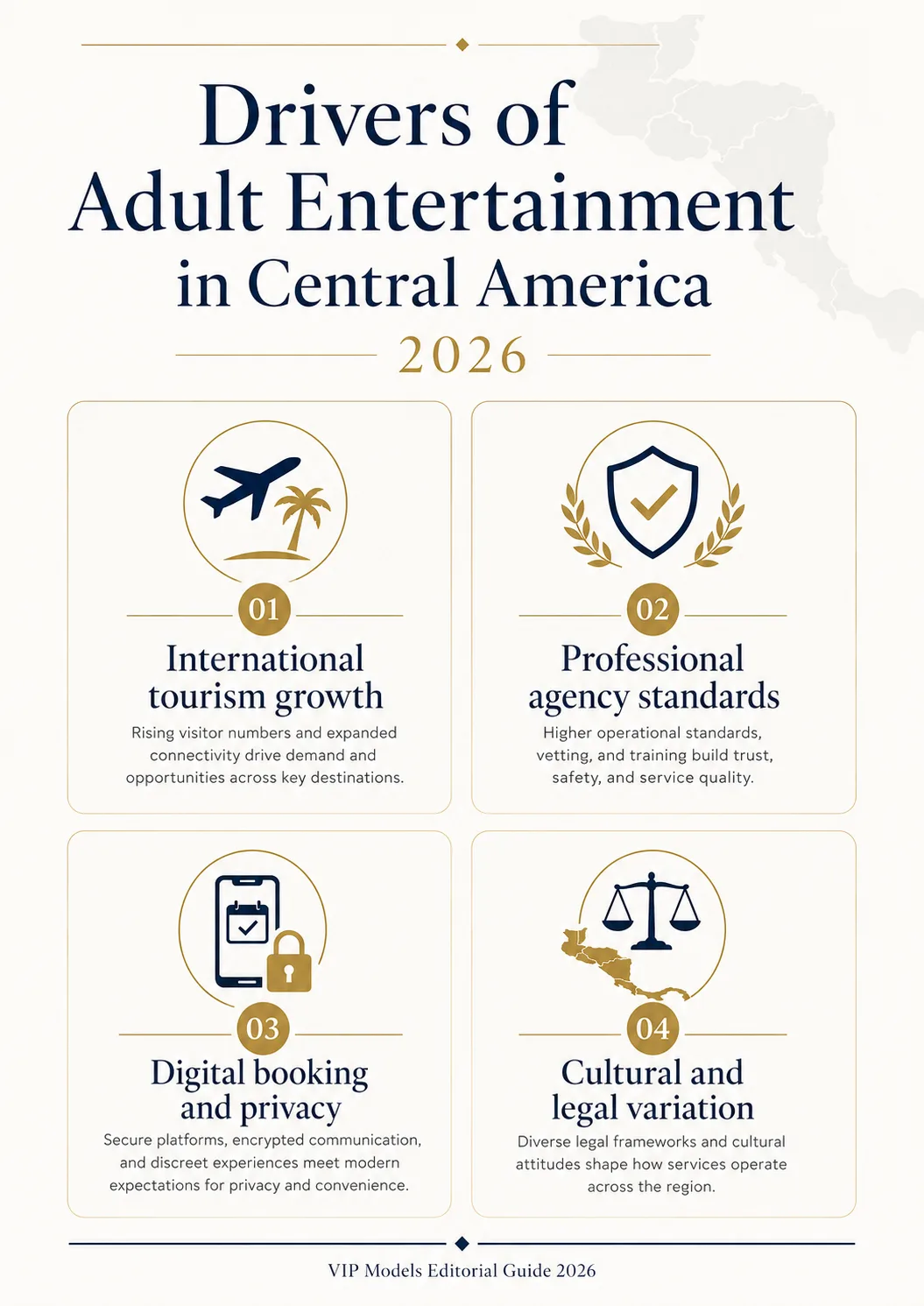
Visitor demand supports nightlife, hospitality, and premium private services.
Digital booking and discretion are increasingly important for travellers.
Each country operates with different rules, enforcement, and oversight.
Professional coordination separates premium arrangements from informal risk.
Adult Entertainment Snapshot Across Central America
This comparison summarises how key regional markets differ by legal structure, nightlife concentration, language, health oversight, and visitor expectations. It is designed as a practical overview, not a substitute for country-specific legal advice.
| País | Legal Position | Main Nightlife Hubs | Idioma | Salud y supervisión | Visitor Takeaway |
|---|---|---|---|---|---|
| Panamá Most structured | Independent adult sex work is legal and formal-sector activity is regulated through registration and health oversight. | Panama City, Avenida Balboa, Punta Pacífica, Obarrio, Casco Viejo. | Spanish; business English common in hotels, finance districts, and premium hospitality. | Formal-sector monitoring includes regular health controls, but a larger informal sector remains outside full oversight. | Strongest regional mix of legal clarity, luxury infrastructure, discretion, and professional coordination. |
| Costa Rica Eco-luxury | Adult prostitution itself is legal; pimping, brothel operation, and exploitative third-party control are prohibited. | San José, Escazú, Jacó, Tamarindo, Manuel Antonio, Guanacaste. | Spanish; English widely used in tourism and resort environments. | Public health services and regular health checks may be available, though monitoring varies by location and registration status. | Privacy-led resort market shaped by eco-luxury travel, villa stays, and culturally respectful interaction. |
| México Regional reference | Not part of Central America, but often compared regionally. Regulation varies by state and municipality; exploitation and trafficking are illegal. | Mexico City, Polanco, Reforma, Guadalajara, Cancún, Playa del Carmen, Los Cabos, Puerto Vallarta. | Spanish; English common in resort corridors and business districts. | Standards vary by state and city. Some areas use tolerance zones or health-card systems, while others operate less formally. | Largest and most varied nearby market, but local rules and enforcement differences make discretion essential. |
| Guatemala Discreet scale | Less structured than Panama. Sex work has historically been tolerated in some settings, while exploitation and trafficking remain prohibited. | Guatemala City, Zona Viva, Antigua. | Spanish; English mainly in hotels, tourism zones, and expatriate settings. | Public-health monitoring exists in some contexts, but practical oversight varies by venue, city, and worker status. | Smaller, discreet market where local awareness and professional introductions matter more than volume. |
| Belice Caribbean influence | Selling sex is generally described as legal, while solicitation, loitering, brothel management, procuring, and exploitation are prohibited. | Belize City, San Pedro, Ambergris Caye, Caye Caulker, selected resort areas. | English is official; Spanish and Creole are also widely heard. | Formal oversight is limited compared with Panama or Costa Rica. Tourism standards vary by venue and area. | Smaller coastal market shaped by Caribbean nightlife, expatriate culture, and local discretion. |
| El Salvador y Honduras Emerging markets | Smaller and less formal. El Salvador is locally restricted in practice; Honduras has uneven enforcement and municipal-level risks. | San Salvador, Tegucigalpa, San Pedro Sula, Roatán, Bay Islands. | Spanish; English mostly in key tourism areas such as the Bay Islands. | Limited formal oversight. Workers may face higher vulnerability, stigma, and enforcement inconsistency. | Approach with greater caution. Avoid informal arrangements and rely on established venues or trusted local coordination. |
Panamá Most structured
Costa Rica Eco-luxury
México Regional reference
Guatemala Discreet scale
Belice Caribbean influence
El Salvador y Honduras Emerging markets
Note: These summaries reflect general conditions for consenting adults as of 2026. Laws, enforcement, venue policies, and health requirements vary by country, city, and local authority.
Major Adult Entertainment Markets in and Around Central America
Panamá
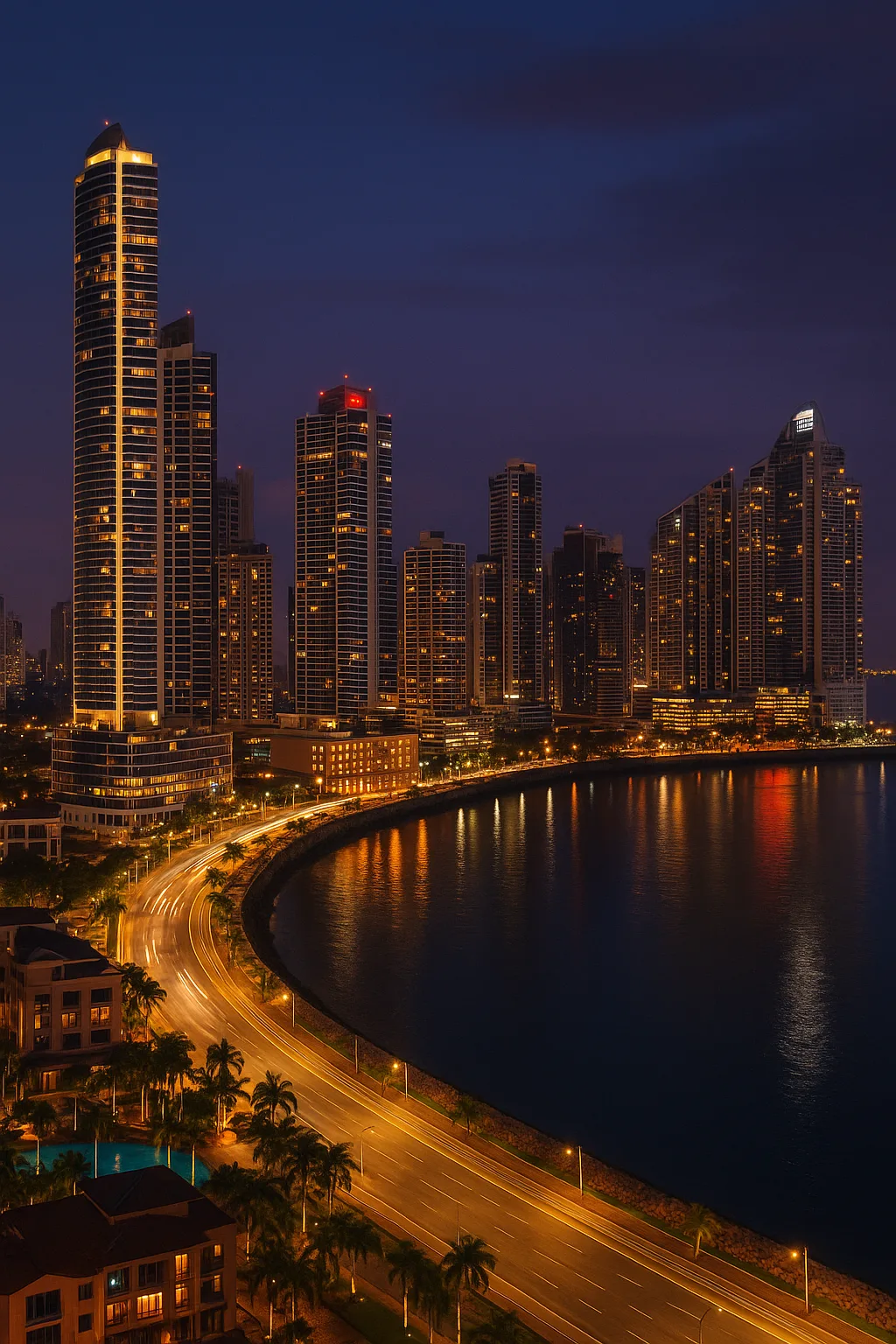
Among Central American destinations, Panama remains the clearest benchmark for adult entertainment regulation. Independent adult sex work is legal and regulated, with formal-sector registration and health oversight forming part of the country’s public health approach.
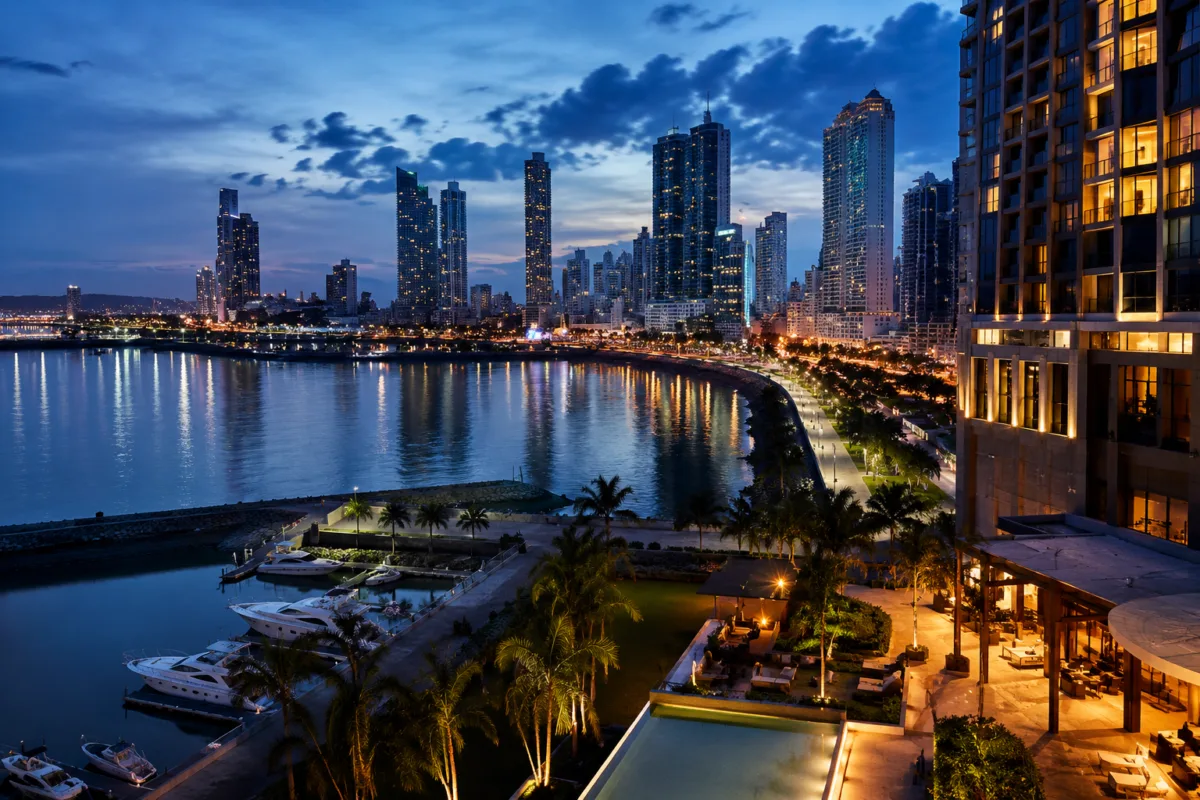
Panama City’s role as a financial hub, logistics centre, and luxury hospitality market also shapes demand. Business travellers, expatriates, and international visitors are drawn to a city where private nightlife, five-star hotels, and professional coordination are more developed than in many neighbouring destinations.
The regulated sector does not represent the whole market. A significant informal sector remains, often involving migrant workers operating outside registration and official health monitoring. This is why Panama’s adult entertainment landscape combines legal clarity with practical enforcement challenges.
For visitors, Panama offers the region’s strongest mix of legal structure, modern hospitality, private venues, and international accessibility. The safest experiences are those arranged with clear expectations, adult consent, independent companions, and discreet coordination rather than informal street-based arrangements.
Costa Rica
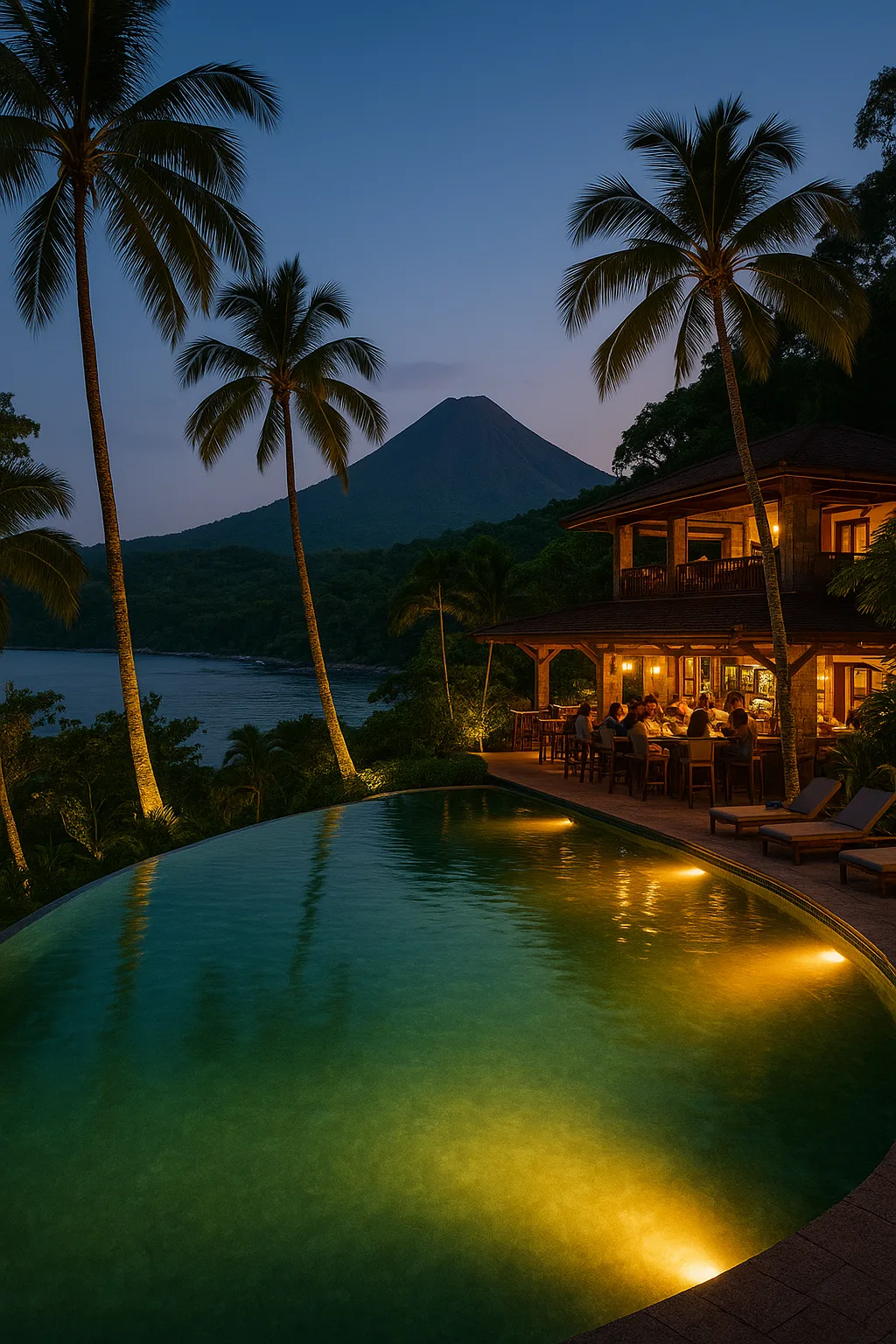
Costa Rica is one of Central America’s most established tourism destinations, combining eco-luxury resorts, private villas, coastal nightlife, and a hospitality culture shaped by Pura Vida values: courtesy, balance, and respect.
Adult prostitution itself is legal in Costa Rica, but related activities such as pimping, brothel operation, and exploitative third-party control are prohibited. This creates a market where independent adult providers may operate, while organised exploitation remains a legal risk.
Health oversight is also part of the country’s adult entertainment landscape. Registered workers may access public health services and regular health checks, although the practical level of monitoring can vary by location, registration status, and how formally the work is arranged.
The most visible nightlife and adult entertainment areas are linked to San José and tourism-focused coastal destinations, including Jacó, Tamarindo, Manuel Antonio, and parts of Guanacaste. These areas attract international visitors seeking resort privacy, discreet nightlife, and professional service environments.
For travellers, Costa Rica’s appeal lies in the combination of accessibility, privacy, natural scenery, and cultural sensitivity. The best experiences are approached discreetly, with respect for local expectations and a clear preference for independent adult arrangements over informal or exploitative settings.
México
Mexico is not part of Central America, but it is closely connected to the region’s adult entertainment and luxury travel ecosystem. For international visitors comparing destinations, Mexico is often considered alongside Panama, Costa Rica, Guatemala, and Belize because of its scale, flight access, resort corridors, and major urban nightlife.
Mexico has one of Latin America’s most varied adult entertainment landscapes. Mexico City, Guadalajara, Cancún, Los Cabos, Playa del Carmen, and Puerto Vallarta each operate with different tourism patterns, venue cultures, and levels of formality.
Sex work is not treated uniformly across the country. Regulation is handled largely at state and municipal level, with some areas using tolerance zones or health-card systems, while others operate through legal grey areas or stricter local enforcement. Pimping, trafficking, exploitation, and activity involving minors remain illegal.
In coastal destinations such as Cancún, Los Cabos, and Puerto Vallarta, adult entertainment is closely tied to resort nightlife and international travel. Mexico City and Guadalajara are more urban and business-led, with rooftop venues, private lounges, executive hotels, and discreet companionship environments.
For travellers, Mexico offers scale and variety, but that variety also makes local awareness essential. The safest approach is to avoid informal street-based arrangements and prioritise clear communication, adult consent, discreet coordination, and respect for local law.

Guatemala
Guatemala’s adult entertainment scene is smaller and more discreet than Panama or Costa Rica, but it remains closely connected to tourism, business travel, and urban nightlife. Guatemala City is the primary hub, especially Zona Viva, where hotels, restaurants, bars, and private social settings serve international visitors and expatriate communities.
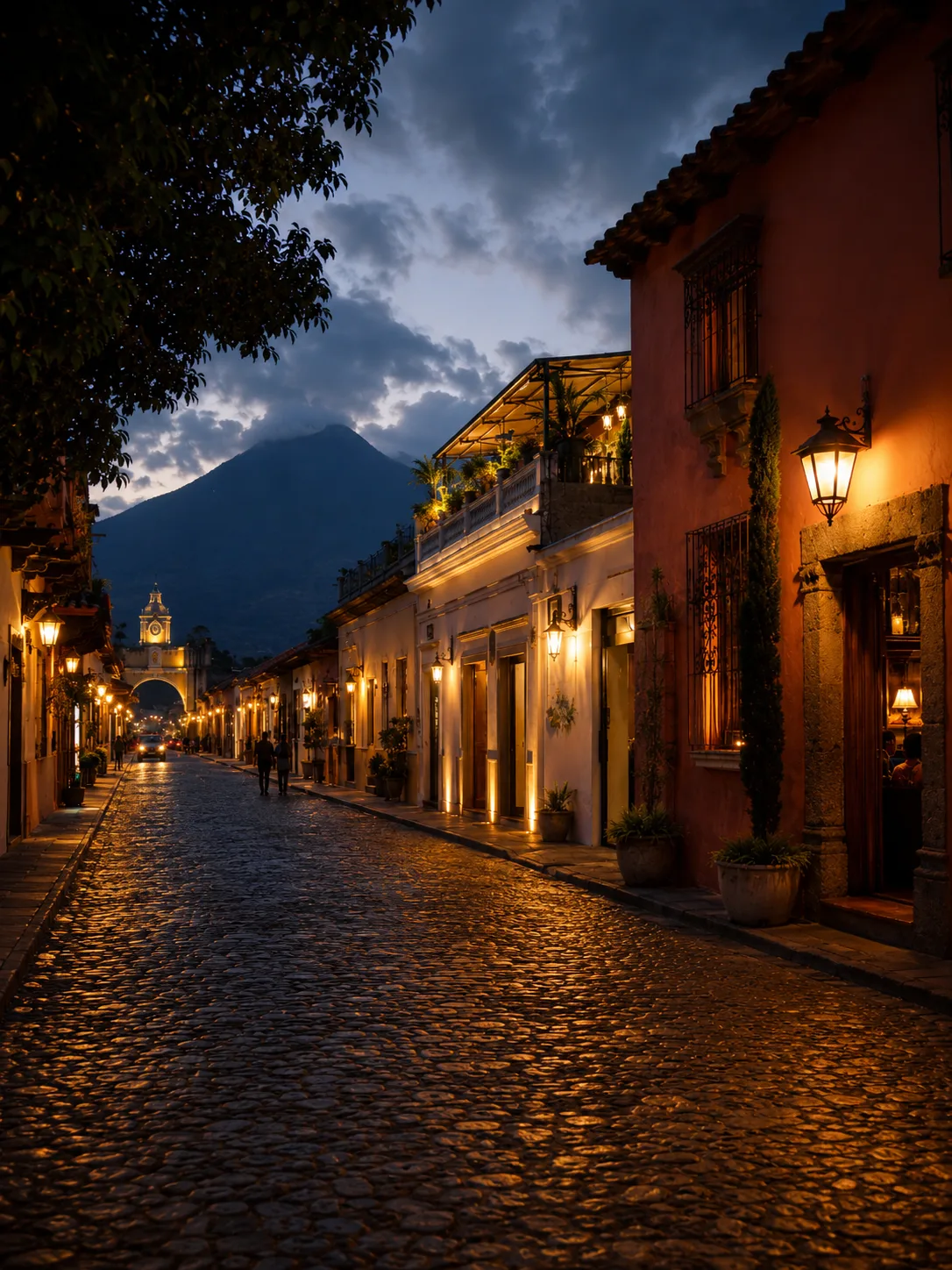
Antigua offers a different atmosphere. As a UNESCO World Heritage destination, its nightlife is more subdued and culturally sensitive, with adult entertainment operating quietly alongside boutique hotels, colonial architecture, and a slower tourism economy.
The legal and regulatory environment is less structured than Panama’s. Sex work has historically been tolerated in certain settings, while procuring, trafficking, exploitation, and activity involving minors remain prohibited. Public-health monitoring has existed in some contexts, but practical oversight can vary significantly by venue, city, and worker status.
For visitors, Guatemala requires more caution and local awareness than the region’s more developed luxury markets. Discreet, professional introductions are preferable to informal arrangements, particularly because enforcement, safety standards, and venue expectations are less predictable.
Belice
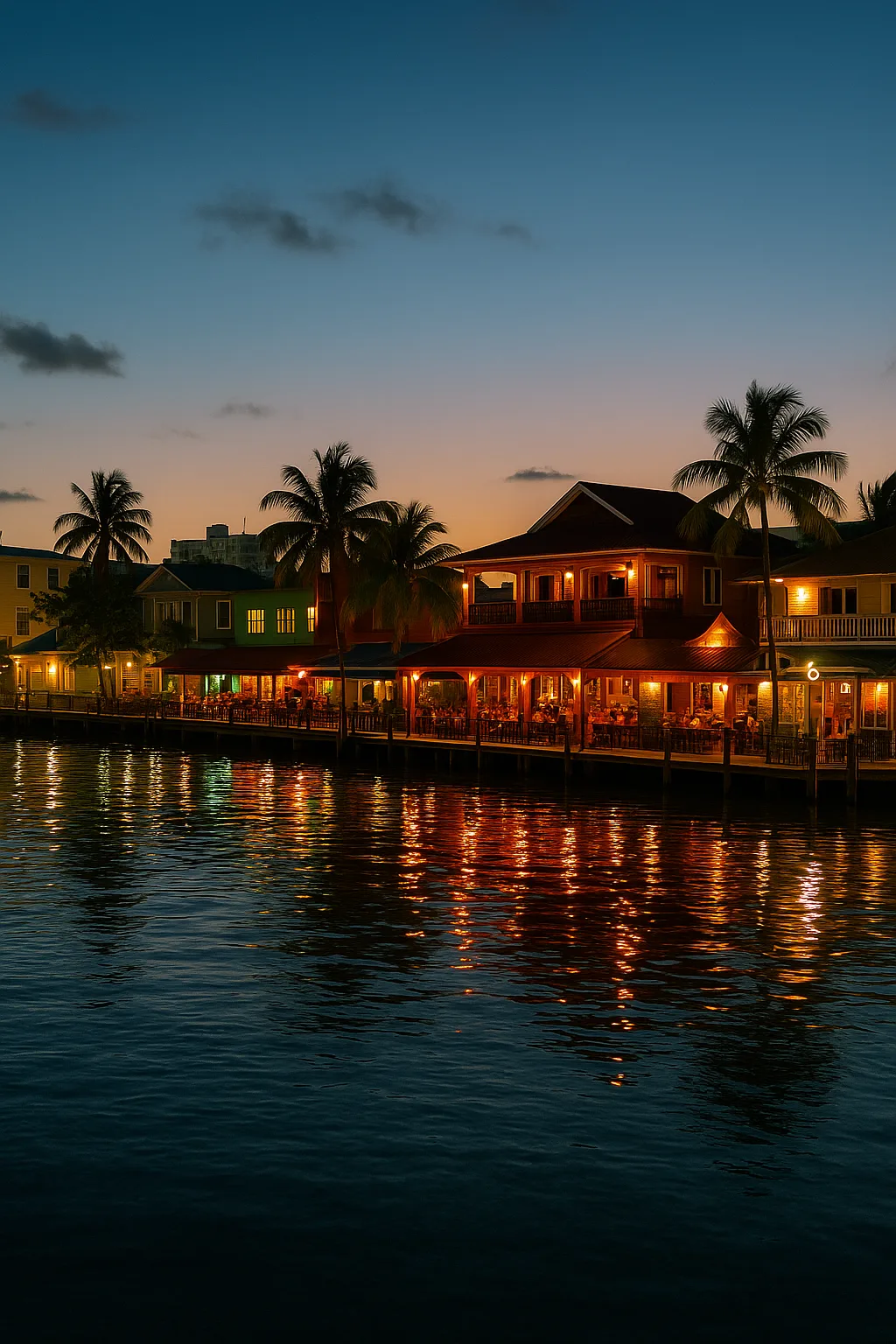
Belize has a smaller and more informal adult entertainment scene than Panama, Costa Rica, or Mexico. Its nightlife is shaped by Caribbean culture, coastal tourism, expatriate communities, and a relaxed hospitality environment centred around Belize City, Ambergris Caye, San Pedro, and selected resort areas.
The legal framework is more fragmented than in Panama. Selling sex is generally described as legal, but public solicitation, loitering, brothel management, procuring, and exploitative third-party control are prohibited. This creates a market that exists quietly around nightlife and tourism, but without the same level of formal structure found in more regulated destinations.
For visitors, Belize is less about large-scale nightlife and more about small coastal venues, resort bars, private introductions, and local discretion. Because the market is limited and less formal, local awareness matters more than volume or availability.
The safest approach is to avoid street-based arrangements, respect local norms, and rely only on clear, adult, consensual, and discreet introductions. Belize can offer a distinctive Caribbean atmosphere, but it should be approached with more caution than Panama or Costa Rica.
El Salvador y Honduras
Compared with Panama, Costa Rica, and Mexico, El Salvador and Honduras have smaller and less formal adult entertainment markets. Activity is concentrated around urban nightlife, selected hospitality areas, and tourism corridors rather than large, clearly structured adult entertainment districts.
In El Salvador, sex work is generally described as technically legal at national level, but municipal rules can restrict public solicitation, designate permitted zones, or penalise buyers in some areas. Organising prostitution, living off earnings, trafficking, exploitation, and activity involving minors remain illegal.
Honduras is similarly complex. There is no broad national prohibition on sex work, but practical enforcement is uneven and municipal-level rules can create risk. Brothel ownership, pimping, trafficking, and exploitative third-party control remain prohibited, while sex workers report vulnerability to police harassment, stigma, and violence.
For travellers, both markets require more caution than the region’s more established destinations. San Salvador, Tegucigalpa, San Pedro Sula, and Honduras’ Bay Islands may have nightlife or tourism-linked activity, but availability is less predictable and informal arrangements carry higher risk. Discretion, local awareness, and avoidance of street-based arrangements are essential.
Health, Safety, and Oversight Across Central America
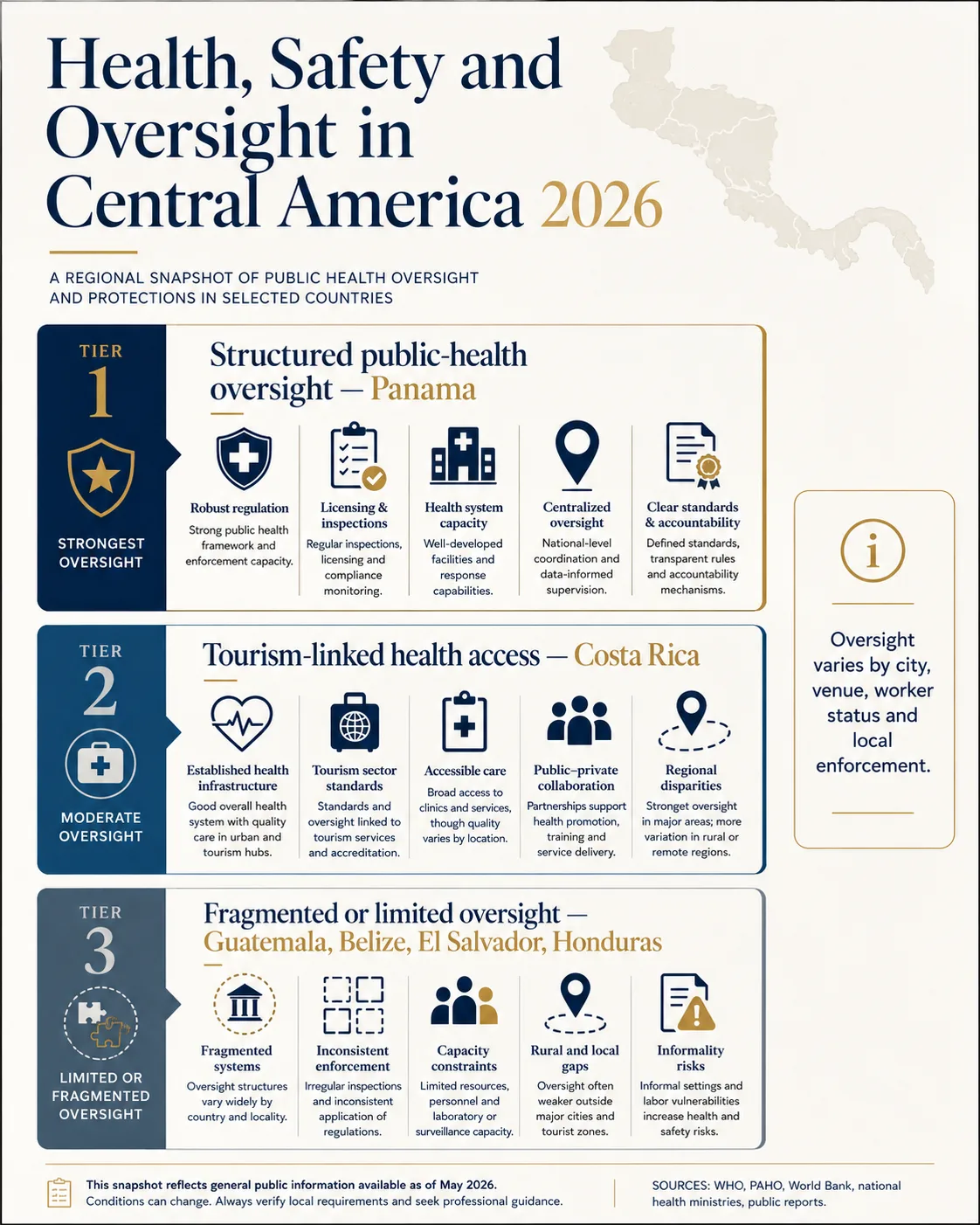
Health and safety standards vary significantly across Central America. Panama has the clearest public-health registration structure, Costa Rica offers a more tourism-linked health access model, and smaller markets such as Guatemala, Belize, El Salvador, and Honduras operate with less consistent oversight.
In Panama, formal-sector sex work is linked to registration and public-health monitoring through the Ministry of Health. Costa Rica permits adult prostitution itself, while prohibiting exploitative third-party activity such as pimping and brothel operation. In both countries, public-health access is more visible than in less structured regional markets.
In Guatemala, Belize, El Salvador, and Honduras, the situation is more fragmented. Oversight may depend on venue, municipality, worker status, and local enforcement. Belize, for example, treats selling sex differently from solicitation, brothel management, and procuring, which creates a more restrictive practical environment.
For travellers, the safest approach is to prioritise adult consent, clear communication, private coordination, established venues, and respect for local law. Health claims should never be assumed from venue appearance alone; discretion and verification matter across every destination.
2026 Market Trends and Visitor Demand in Central America
Central America’s adult entertainment landscape is being shaped by tourism recovery, digital booking behaviour, private coordination, and rising expectations around discretion, health awareness, and professional standards. The market is not developing evenly across the region: Panama and Costa Rica remain the most structured destinations, while Guatemala, Belize, El Salvador, and Honduras continue to operate through smaller and less formal nightlife and tourism networks.
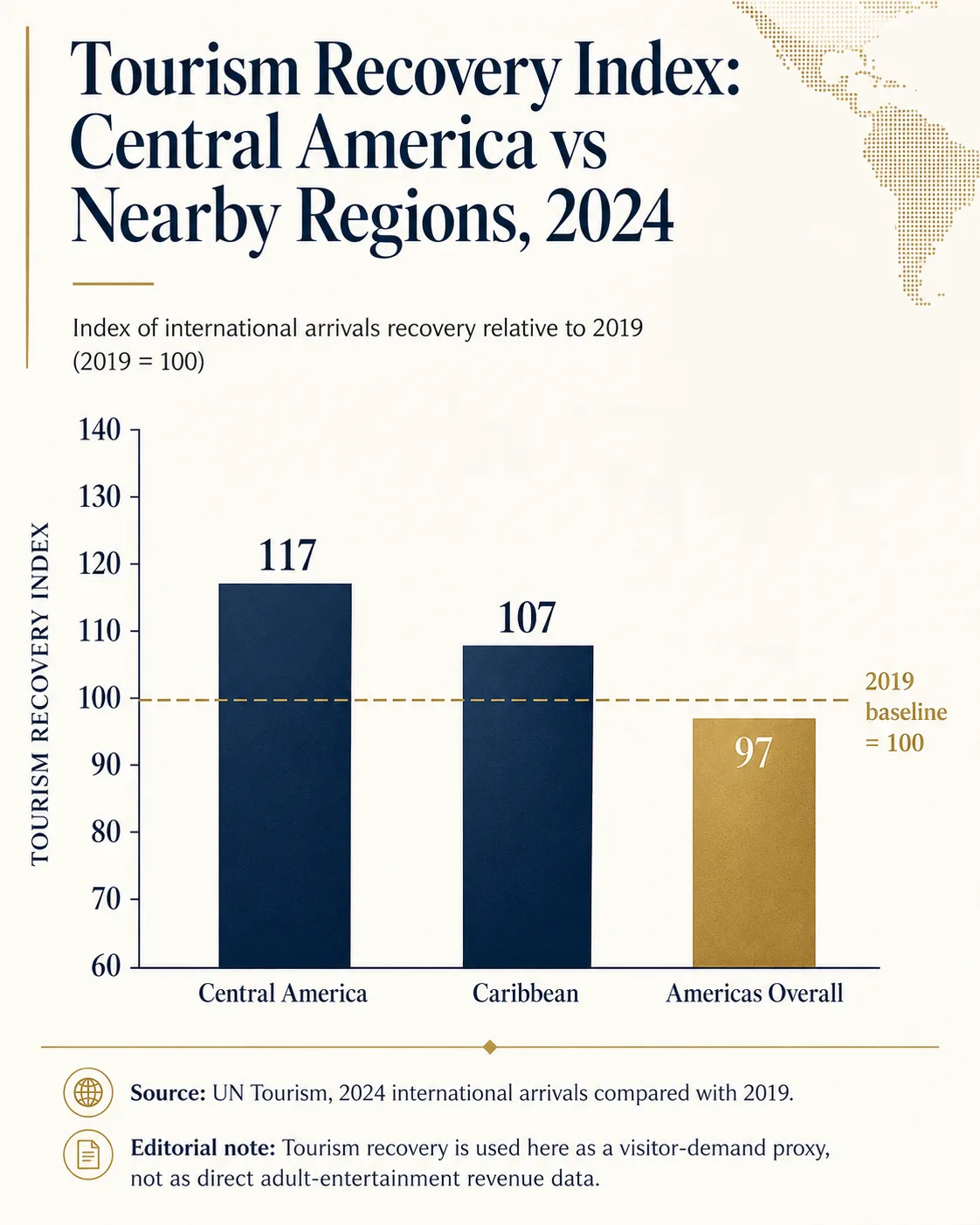
Tourism data provides the strongest measurable signal. UN Tourism reported that Central America recorded 17% more international tourist arrivals in 2024 than before the pandemic, outperforming the Americas overall and also exceeding the Caribbean’s recovery rate. This does not measure adult entertainment directly, but it does show the visitor-demand environment that supports nightlife, hospitality, private travel, and premium companionship services.
For 2026, the key trend is not simply growth. It is the separation between structured, hospitality-led adult entertainment and informal arrangements that carry higher legal, safety, and reputational risk. Destinations with stronger tourism infrastructure, clearer rules, and more professional coordination are better positioned to capture premium visitor demand.
Conclusion: Central America’s Adult Entertainment in 2026
Central America’s adult entertainment landscape is diverse, but it is not uniform. Panama remains the region’s clearest example of a structured, health-monitored model, while Costa Rica combines legal adult work with tourism-linked hospitality and public-health access. Guatemala, Belize, El Salvador, and Honduras are smaller, less formal, and more dependent on local enforcement, venue standards, and discreet coordination.
For international visitors, the main distinction is between professional, hospitality-led arrangements and informal settings that carry higher legal, safety, and reputational risk. The most reliable experiences are built around adult consent, privacy, clear communication, respect for local law, and awareness that rules can change significantly by country, city, and venue.
The regional trend for 2026 is not simply growth. It is a shift toward better information, more private planning, stronger discretion, and higher expectations from travellers who want premium companionship to align with international standards of professionalism, safety, and cultural respect.
Experimente el estándar VIP en toda Centroamérica
For visitors comparing Panama, Costa Rica, Guatemala, Belize, and nearby regional markets, VIP Models offers a discreet and professionally coordinated approach to luxury companionship.
Every arrangement is handled with privacy, adult consent, clear communication, and cultural awareness, helping international clients navigate the region with confidence and discretion.
- Private coordination before arrival
- Discreet introductions for verified adult companions
- Regional guidance shaped by local expectations
Adult Entertainment in Central America FAQs
¿Es legal el entretenimiento para adultos en toda Centroamérica?
No single rule applies across the region. Panama, Costa Rica, Guatemala, Belize, Mexico, El Salvador, and Honduras each have different legal structures, enforcement practices, and restrictions around sex work, solicitation, brothel management, third-party control, and exploitation.
¿Qué país centroamericano tiene el mercado de entretenimiento para adultos más estructurado?
Panama is generally the most structured regional market because it combines clearer formal-sector regulation, luxury hospitality, international business travel, and professional coordination options.
¿Es Costa Rica o Panamá mejor para compañía de lujo?
Panama is stronger for structured city-based arrangements, business travel, and premium hospitality infrastructure. Costa Rica is stronger for resort privacy, private villas, eco-luxury stays, and coastal discretion.
¿Qué deben considerar los visitantes antes de contratar entretenimiento para adultos en la región?
Visitors should consider local law, adult consent, health and safety standards, venue rules, cultural etiquette, privacy, and whether the arrangement is professionally coordinated or informal.
¿Son los estándares de salud y seguridad iguales en toda Centroamérica?
No. Panama has the clearest public-health registration structure, Costa Rica has a more tourism-linked health access model, while Guatemala, Belize, El Salvador, and Honduras are more fragmented and less predictable.
¿Por qué usar una agencia profesional en lugar de arreglos informales?
Professional coordination supports clearer expectations, adult consent, privacy, communication, location awareness, and safer planning. Informal arrangements can carry higher legal, safety, health, and reputational risks.
¿México es parte de Centroamérica para viajes de entretenimiento para adultos?
No. Mexico is not part of Central America, but it is often compared with the region because of its resort corridors, major cities, nightlife scale, and proximity to Central American travel routes.
¿Cuál es la principal conclusión para los visitantes?
The main takeaway is that Central America is not one uniform adult-entertainment market. The safest and most discreet experiences are based on adult consent, professional communication, privacy, local awareness, and respect for country-specific rules.
- UN Tourism – International Tourism Recovers Pre-Pandemic Levels in 2024
- NSWP – Global Sex Work Laws Map
- Institute of Development Studies – Sex Work Law Country Mapping
- U.S. Department of State – Trafficking in Persons Report 2023
- UNODC – Panama Law 458 Anti-Trafficking Reform
- UNODC – Trafficking of Women and Girls within Central America
- Panama Ministry of Health – Public Health and STI Programmes
- World Bank – Latin America and Caribbean Economic Overview
- VIP Models – Prostitution in Panama Legal and Cultural Guide